Skip to content

In danger now? Call 911. Confidential 24 hour support: 1-800-799-7233

A form of abuse

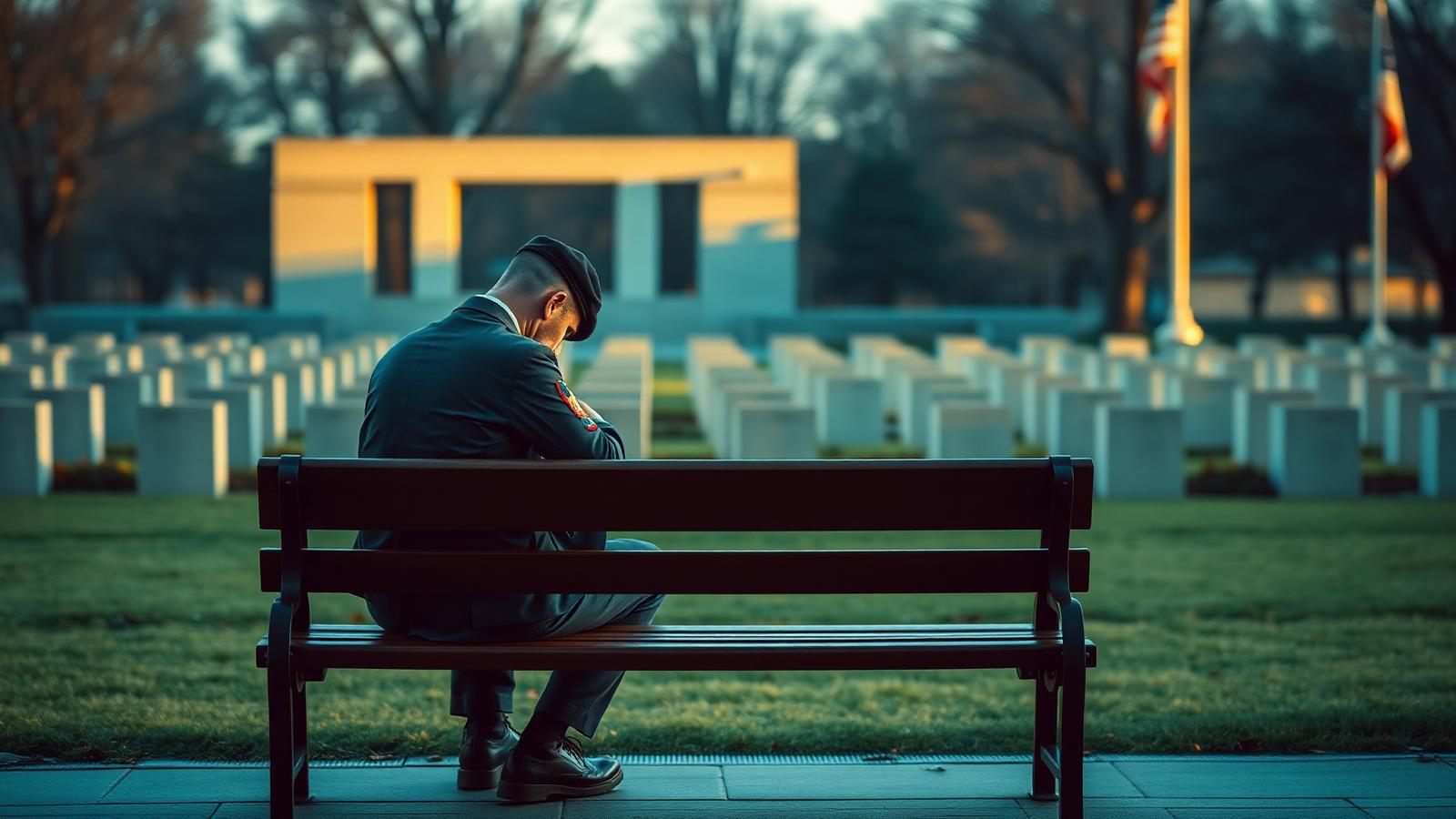
Military and veteran domestic violence

Military and veteran domestic violence is intimate partner abuse that occurs within military service member or veteran families. It is shaped by the unique stresses of military life: deployments, frequent moves, separation from family, combat exposure, firearms access, and a culture that values self-reliance and chain of command. Both service members and their partners can be victims.

Why this matters

What survivors already know

Military life is not the cause of domestic violence, but it adds pressures that can make abuse harder to address and more dangerous when it happens. Deployments, training, and separations can strain relationships. Combat trauma can increase irritability, emotional numbing, and substance use. Firearms are common in military households, which raises the risk of homicide when domestic violence is present.

Reporting is complicated. A service member may fear that reporting abuse will end their career, especially if the abuser is a civilian partner. A civilian partner may fear losing housing, military benefits, healthcare, or immigration status. Command structure can make it unclear where to turn.

Help exists both inside and outside the military. The Family Advocacy Program, victim advocates, chaplains, and civilian domestic violence services can all play a role. Safety comes first, and there are ways to get help without making everything worse.

The definition

What it actually is

Intimate partner violence in military families

The same forms of abuse seen in civilian relationships: physical, sexual, emotional, financial, and coercive control. It can occur during deployment, after return, or during transitions.

Centers for Disease Control and Prevention

Deployment-related stress

Separation, communication disruption, infidelity fears, and reintegration after deployment can increase conflict. Pre-existing abuse often escalates during these transitions.

Military OneSource

Trauma and mental health factors

Combat-related PTSD, traumatic brain injury, depression, and substance use can increase emotional volatility. They do not excuse abuse, but they can be part of the safety picture.

U.S. Department of Veterans Affairs

Firearms risk

Access to firearms raises the risk of intimate partner homicide. Safe storage, removal of firearms during crisis, and legal protective orders can reduce that risk.

Centers for Disease Control and Prevention

How it works

The tactics, named one by one

Career threats

A civilian partner may threaten to report false allegations, damage the service member's career, or use military discipline as leverage. A service member may threaten loss of benefits or housing.

Family Advocacy Program

Benefit and housing control

Control over military pay, housing allowances, healthcare, and dependent status. A civilian partner may feel trapped because their whole life depends on the service member's service.

Military OneSource

Isolation on installation

Moving away from family, friends, and civilian support networks every few years. The military community can be a support, but it can also feel like everyone knows the abuser or works for the same command.

Family Advocacy Program

Weaponising trauma

The abuser may blame combat trauma, PTSD, or stress for their violence. This shifts responsibility and can discourage the victim from reporting.

U.S. Department of Veterans Affairs

How to identify it

Signs to look for

One of these on its own may mean nothing. Several of them together, repeated over time, is a pattern, and a pattern is what abuse looks like from the inside.

  • 01A partner becomes controlling, jealous, or angry before, during, or after a deployment.
  • 02Physical violence, threats, or intimidation, especially involving firearms or military training.
  • 03Financial control, including control over military pay, benefits, or housing allowances.
  • 04Isolation from the military community, family, or friends on the installation.
  • 05A service member who is afraid to report because of career consequences.
  • 06A civilian partner who is afraid of losing housing, healthcare, or immigration status.
  • 07Substance use, anger outbursts, or emotional numbness linked to combat trauma.
  • 08The abuser uses rank, command, or military knowledge to control or threaten.

Who it happens to

No one group is exempt

Abuse does not respect age, gender, income, faith, or country. These are the people most often affected by this particular form.

  • Active-duty service members, reservists, and National Guard members, both male and female.

  • Civilian spouses and partners, who may depend on military housing, benefits, and healthcare.

  • Children in military families, who witness or experience abuse and face additional disruption from moves and deployments.

  • Veterans and their families, who may continue to live with trauma, stress, and relationship patterns shaped by military service.

What it costs

The damage it leaves behind

Military career and benefits

Victims may avoid reporting to protect the service member's career or their own dependent benefits. Abusers may use career threats as control.

Family Advocacy Program

Mental health

Depression, anxiety, PTSD, substance use, and suicidal thoughts affect both victims and perpetrators. Military trauma and relationship trauma can compound each other.

U.S. Department of Veterans Affairs

Family and child wellbeing

Children in military families already face moves and parental absence. Adding domestic violence increases behavioural, emotional, and academic risks.

CDC, Adverse Childhood Experiences

How to deal with it

What to do, depending on where you are standing

If it is happening to you

  1. 01

    If you are in immediate danger, call 911. On a military installation, you can also call military police or the installation emergency line.

  2. 02

    Contact the Family Advocacy Program (FAP) on your installation. FAP offers confidential support, safety planning, and counselling for victims and families.

  3. 03

    Call the National Domestic Violence Hotline at 1-800-799-7233 for confidential support and safety planning.

  4. 04

    If you are a civilian spouse, know that you may be eligible for transitional compensation, legal assistance, and continued benefits. A military legal assistance attorney can advise you.

  5. 05

    If you are a veteran, VA services include mental health care, counselling, and support for intimate partner violence and military sexual trauma.

  6. 06

    Consider safe storage of firearms or removal of weapons during crisis. This is a key safety step in households with firearms.

If someone you care about is in it

  1. 01

    Do not assume the service member is the abuser. Both service members and civilian partners can be victims, and either may be hesitant to report.

  2. 02

    Encourage contact with the Family Advocacy Program, a victim advocate, or a chaplain. These resources understand military systems and confidentiality rules.

  3. 03

    Help the person think about safety, housing, finances, and benefits. Military life can make leaving logistically complicated.

  4. 04

    If children are involved, report safety concerns to FAP or child protective services. In Texas, call 1-800-252-5400.

  5. 05

    For veterans, help them connect with VA mental health services and community resources. Trauma and relationship violence can overlap.

Where to get help

People who will take this seriously

If you are in immediate danger, call your local emergency number first. Everything below is confidential and none of it requires you to make a decision today.

Family Advocacy Program

militaryonesource.mil/family-advocacy-program

Military program providing support, education, counselling, and safety planning for families affected by domestic violence and child abuse.

Military OneSource

1-800-342-9647 · militaryonesource.mil

24-hour support and resources for military members and families, including confidential non-medical counselling.

National Domestic Violence Hotline

1-800-799-7233 · text START to 88788

Confidential domestic violence support with safety planning and local referrals, including for military families.

Questions

The questions people actually ask

Will reporting domestic violence end a service member's career?

Not necessarily. The Family Advocacy Program offers support and counselling, and many cases are handled through treatment and safety planning. Reporting violence does not automatically end a career, though serious incidents may have legal or administrative consequences.

What if the civilian partner is the abuser?

Civilian partners can also be abusive. Service members can seek help from FAP, victim advocates, military legal assistance, and civilian domestic violence services. The same safety principles apply.

Can a civilian spouse keep benefits after leaving an abusive service member?

In some cases, yes. Transitional compensation, continued medical care, and legal assistance may be available. A military legal assistance attorney or victim advocate can explain the options.

Are veterans at higher risk of domestic violence?

Veterans and their families can experience domestic violence related to combat trauma, PTSD, reintegration stress, and firearms access. However, most veterans are not violent, and trauma is not an excuse for abuse. Support and treatment are available.

Serving your country does not mean accepting abuse at home. Military and veteran families have access to specialised resources, and asking for help is a sign of strength, not weakness.

Nopa Foundation

Nopa Foundation works to end domestic abuse in all its forms, for women, men, elders and children. We listen, we walk alongside survivors, and we build the partnerships that change what happens next.

Reach us

501(c)(3) tax exempt organisation

Nopa Foundation is a registered 501(c)(3) tax exempt nonprofit organisation. Donations are tax deductible to the fullest extent allowed by law, and you will receive a receipt for your records.

Nopa Foundation provides peer support, advocacy, safety planning and referral for people affected by domestic abuse. Our services are not licensed psychological counseling, medical therapy, or professional legal, financial, or medical advice, and we do not provide emergency response. If you are in immediate danger, call 911. For confidential 24 hour support in the United States, call the National Domestic Violence Hotline on 1-800-799-7233 or text START to 88788. If you require clinical or mental health support, please seek assistance from a licensed professional.

© 2026 Nopa Foundation. All rights reserved.

Give

501(c)(3) tax exempt. Your gift is tax deductible.