
About us
About Nopa Foundation
Nopa Foundation exists to end domestic abuse and to stand with the people living through it. Not only women, though women carry most of it. Men, elders, children, and anyone whose home has stopped being a safe place. We do this by listening first, by telling the truth about what abuse is, and by building the partnerships that make a different outcome possible.
How this began
Nopa Foundation grew out of years of ordinary conversations. Women who came to Anopa after a service, or called late in the evening, or sat in a parked car outside her house because it was the only place nobody was listening. Men who said the words out loud for the first time and then apologised for saying them. Older people whose money and post and medication had quietly been taken over by someone who was supposed to be caring for them.
None of those conversations were part of a programme. They happened because word travels, and because people work out fairly quickly who will listen without turning it into a lesson.
The foundation exists to make that reliable. Not one woman answering her phone whenever she can, but a small organisation with a number, a plan, real partners, and the discipline to follow up.
In her own words
Meet Anopa (Coach Nopa)
“I did not set out to do this work. It found me, the way it finds most of us, one conversation at a time. A woman waited behind after a meeting once and said she only needed a minute. We were there for three hours. When she left, she thanked me for believing her, and I remember standing in that empty room thinking, all I did was listen. If that is rare enough to be thanked for, something is badly wrong.”
“After that they kept coming. Some I knew, most I did not. Women with a bag already packed and nowhere to take it. A man who sat across from me and could not get the first sentence out, because he was certain I would laugh. An older gentleman whose son had taken his bank card and his post and called it looking after him. A teenager who was not being hurt herself but who had not slept properly in two years because of what she could hear through the wall.”
“I never had a programme to offer any of them. What I had was time, and a refusal to be shocked. People will tell you almost anything if they are certain you will not flinch and will not repeat it. That is not a skill. It is a decision you make before they sit down.”
“I want to be honest about what I am and what I am not. I am not a therapist. I am not a lawyer. When someone needs either, I say so out loud and I help them get there, because pretending otherwise would be its own kind of harm. What I am is someone who will stay in the room, who will make the call with you, who will sit in the corridor outside the hearing, and who will still be here in six months when everyone else has moved on.”
“I also want to say plainly that this is not only about women, though women carry most of it and I will never pretend otherwise. Men are being hurt and are not believed. Elders are being controlled by the very people who are meant to be caring for them. Children are listening through walls while the adults assure each other they are asleep. If a service can only see one kind of victim, it is quietly choosing who gets left behind.”
“I do not think one woman with a telephone ends domestic abuse. It ends when shelters and clinics and police and churches and employers stop working in separate rooms. That is why so much of what we do is unglamorous. Meetings. Referral agreements. Training the person who will be told first. It is slow, and I have made my peace with slow.”
“If you are reading this and something in it is describing your life, please do not spend another year deciding whether it is serious enough. Call us. You do not have to have made any decisions. You do not have to name anyone. You just have to be tired of carrying it by yourself.”
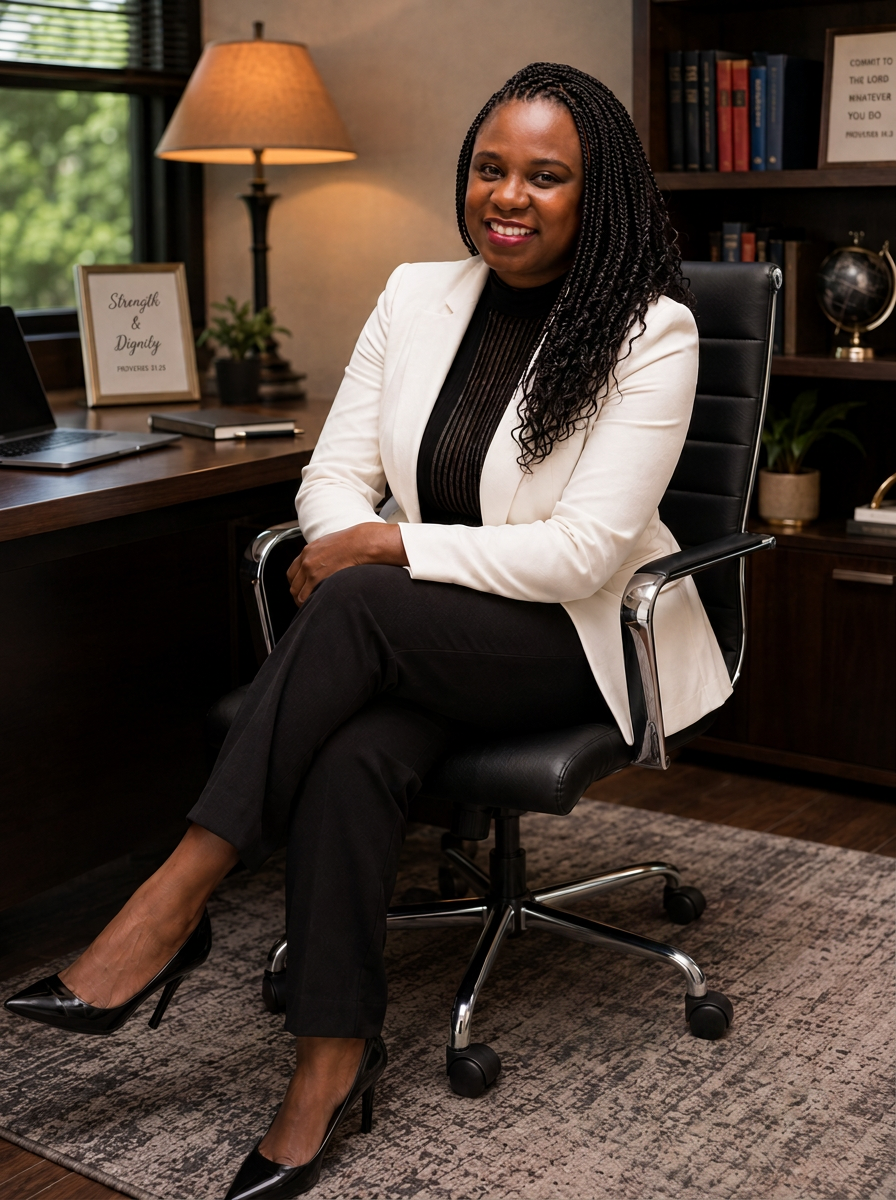
Anopa, founder of Nopa Foundation, McKinney, Texas.
Why we exist
Vision and Mission
Our vision
A world where no one is unsafe in their own home, and where the first person a survivor tells knows exactly what to do.
Our mission
To stand with survivors of domestic abuse of every gender and age, to remove the practical obstacles that keep people trapped, and to work through partnership and evidence to reduce the number of people who are harmed in the first place.
What we do
Support, referral, training, partnership
- Confidential one to one support and small group work for survivors, women and men alike.
- Safety planning, for those who stay as well as those who leave.
- Referral and navigation into shelter, legal aid, licensed counselling and benefits.
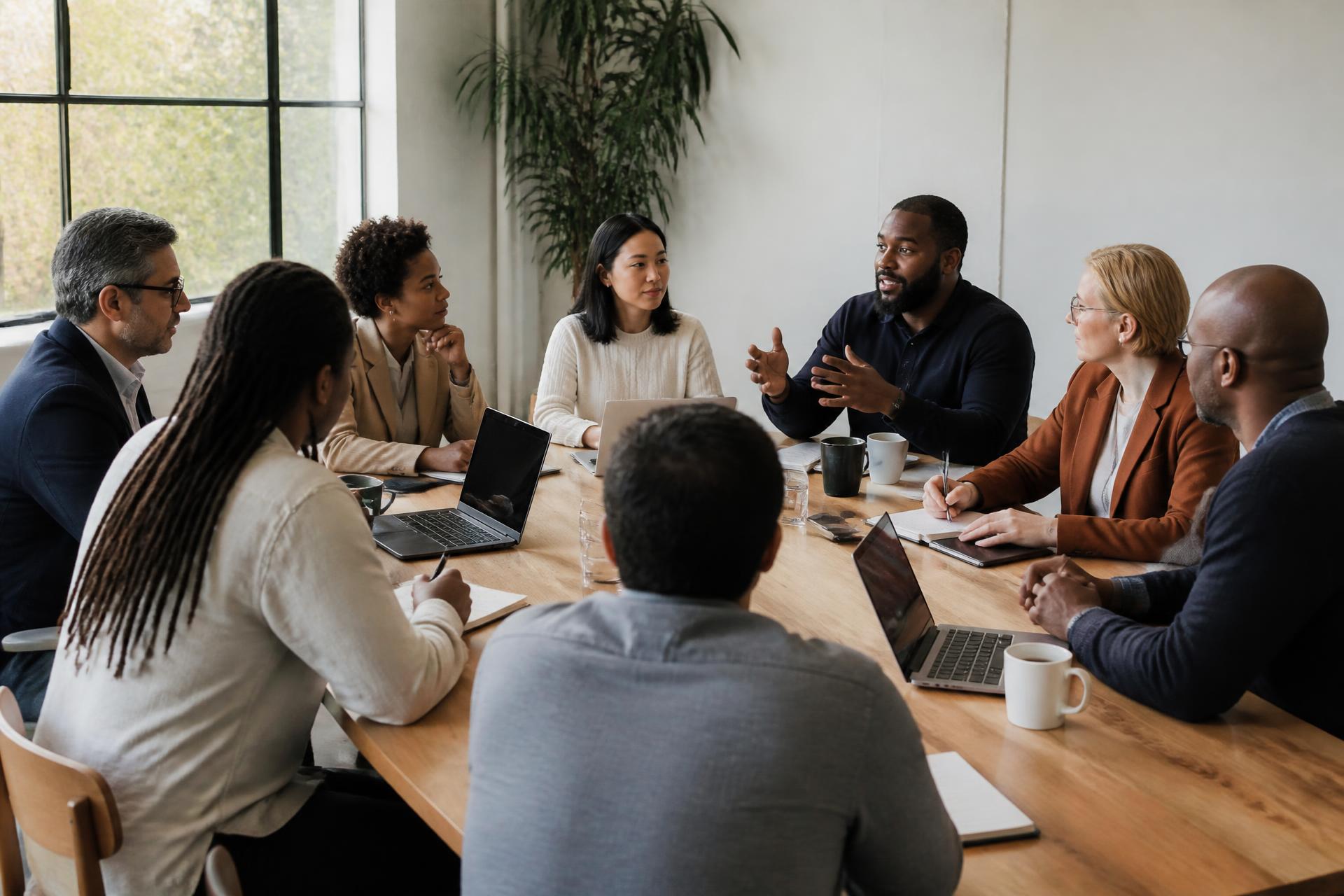
- Training for congregations, employers, community groups and frontline staff.
- Public speaking and awareness work in Texas and across Southern Africa.
- Partnership building and survivor informed contributions to policy consultations.
How we work
Four things we do not compromise on
Believe first
The first response a survivor receives shapes everything that follows. We start from belief, and we never ask anyone to prove what happened to them.
Safety before advice
Leaving is the most dangerous moment in an abusive relationship. We plan for safety at your pace, and we do not push anyone toward a decision.
Every survivor counts
Women, men, elders, children, of any background or gender. Abuse is not a single story, and a service that only recognises one version fails the rest.
Partnership over territory
We refer generously, we share what we learn, and we measure ourselves by what happens to a person, not by which logo was on the door.
Where we work
North Texas, and Southern Africa
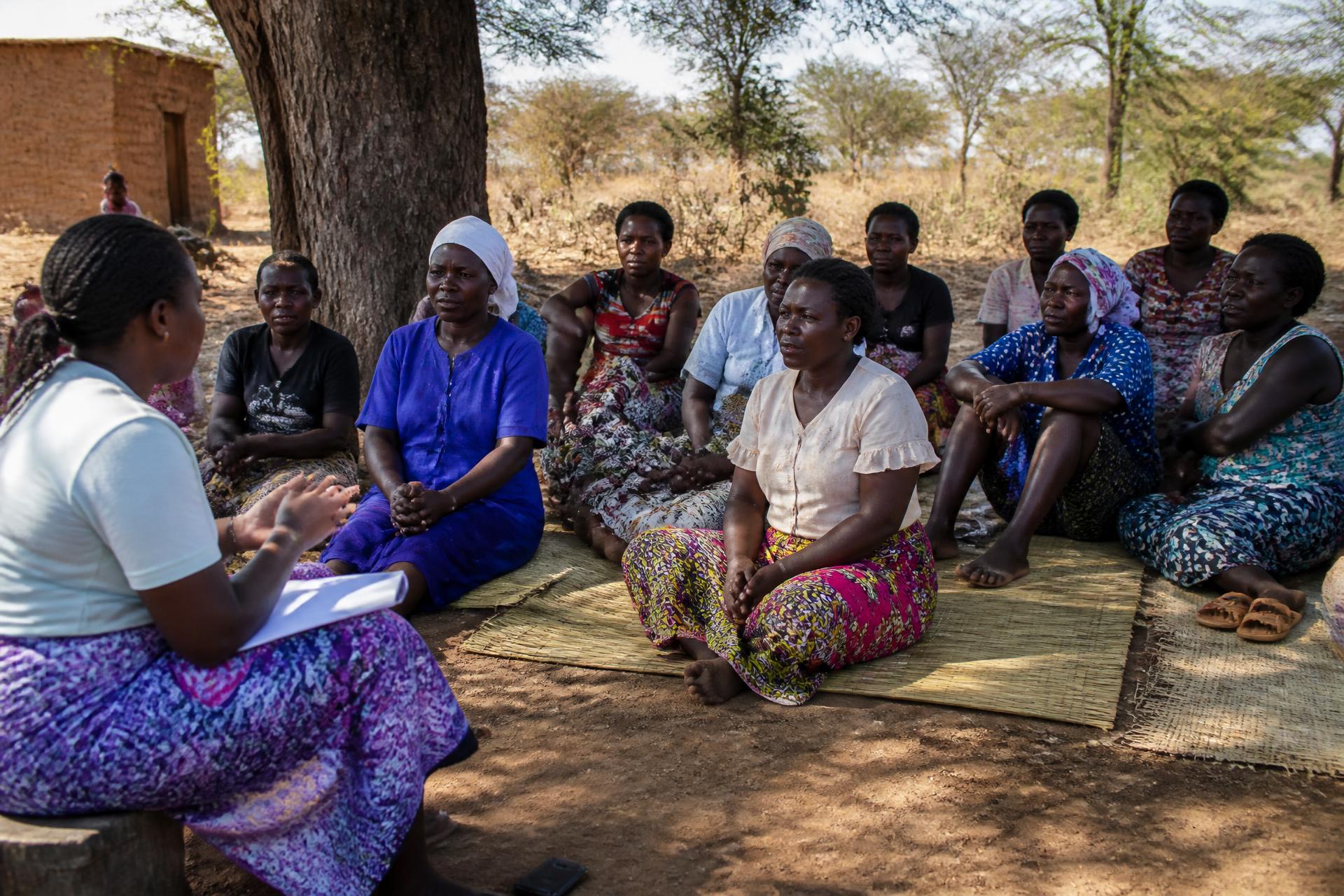
We are based in McKinney, Texas, and most of our direct support work happens across the Dallas Fort Worth area. Anopa's roots are in Southern Africa, and a significant part of the foundation's speaking, training and partnership work happens there and with diaspora communities in the United States.
The two contexts are not the same. The law differs, the services differ, and what a survivor can safely do differs. What does not differ is the pattern of control itself, or the difference it makes when the first person told responds well.
Our commitments
What we promise
These are commitments, not aspirations. If we fall short of one, say so and we will put it right.
We will believe you
You will not be cross examined, and you will not be asked to justify why you stayed, why you went back, or why you waited.
We will keep your confidence
Nothing is shared with any agency, family member or church without your explicit permission, except where the law requires us to protect a child or a vulnerable adult. We will tell you if that point is reached.
We will not rush you
Leaving is dangerous and complicated. We will help you plan for either path, and we will still be here if you change your mind twice.
We will say when it is beyond us
For clinical care and legal representation, we refer to licensed professionals rather than pretending to competence we do not have.
We will never charge a survivor
Support, referral and safety planning are free. They are funded by donors so that money is never a reason to stay.
Where to find us
550 N Central Expy #38, McKinney, TX 75070
+1 (214) 592-7301
nopafoundation@outlook.com
Important disclaimer
Nopa Foundation provides peer support, advocacy, safety planning and referral for people affected by domestic abuse. Our services are not licensed psychological counseling, medical therapy, or professional legal, financial, or medical advice, and we do not provide emergency response. If you are in immediate danger, call 911. For confidential 24 hour support in the United States, call the National Domestic Violence Hotline on 1-800-799-7233 or text START to 88788. If you require clinical or mental health support, please seek assistance from a licensed professional.